Using PU Foams as a Template for Silicone Foams

Title: FOAM-LIKE MATERIALS AND METHODS FOR PRODUCING SAME

 Number/Link:US2014/154491

Applicant/Assignee: Allergan

Publication date: 5-06-2014 (priority PCT/US)

Gist”: A polyurethane foam is impregnated with a curable liquid silicone.  After curing of the silicone the PU is removed.

Why it is interesting: According to this invention open celled polyurethane (or melamine) foam structures can be ‘converted’ into other materials like silicone, polyesters, polyolefins etc. by impregnating them with the the appropriate raw materials, curing and removing the ‘base’ foam. Optionally the ‘converted’ foam structure can be impregnated and cured again until the desired porosity is obtained.  In an example a PU foam was impregnated with a HTV silicone rubber.  After curing, the PU structure was removed using hydrogen peroxide.
While undoubtedly very interesting foam materials can be made in this way, the process seems messy and not very practical.

A 'base foam structure' (left has been impregnated and cured with another polymer (right).

A ‘base’ foam (left) and an impregnated foam (right) according to the invention.
 

Flexible Foams Containing Plant Seeds

Title: SOFT POLYURETHANE FOAMS CONTAINING PLANT SEEDS

 Number/Link: WO2014/076077

Applicant/Assignee: BASF

Publication date: 22-05-2014

Gist”: Plants seeds can be added to flexible foam formulations and will still germinate if the temperature during foaming does not exceed 80°C

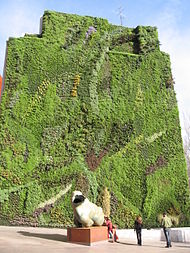
Why it is interesting:  In this invention flexible foams containing superabsorbent polymers, fertilizers , (preferably) a (biodegradable) fiber reinforcement and plant seeds is described.  It was found that the temperature of the foaming mixture must not exceed 80°C for the seeds to survive. The temperature can be controlled by prepolymerization, sec. OH content of the polyol and thickness of the foamed part or slab.  The flexible foam sheets can be used for green walls, roofs and the like.
Foaming plant seeds in flexible foam has been done before using ‘Hypol(TM)’ technology. The temperature is then kept low by using a ‘full’ prepolymer and a large surplus of water.   See my blogpost on Hypol and US3812619.

Example of a 'green wall'

Example of a ‘green wall’

Flexible- and Viscoelastic Foams from CO2-Based Polyols

Title: HIGH STRENGTH POLYURETHANE FOAM COMPOSITIONS AND METHODS

 Number/Link: WO2014/074706

Applicant/Assignee: Novomer

Publication date: 15-05-2014

Gist”: The mechanical properties of flexible foams can be improved by replacing up to 50% of the polyol with CO2-based polycarbonate polyols.

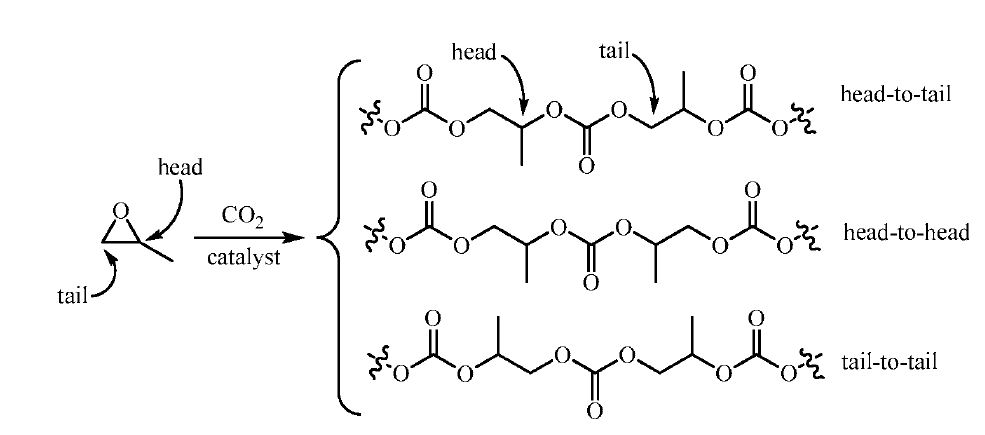
Why it is interesting: Novomer (http://www.novomer.com) is a ‘sustainable chemistry company’ which produces aliphatic polycarbonate polyols from CO2 and epoxides. In this 215 page patent application they claim that hardness and mechanical properties viz. tensile- and tear strength of flexible and VE foams are improved by replacing between 2 and 50% of the polyol by their polycarbonate polyol. Other properties are supposedly not affected much, although resilience (e.g.) clearly drops for HR foams.
While the first claim may be technically new, it is – in my opinion- not patentable because not surprising to “a person skilled in the art”.

Reaction of CO2 and PO showing various 'head-to-tail' orientations

Reaction of CO2 and PO showing various ‘head-to-tail’ orientations

  • Pages

  • Categories

  • Enter your email address to follow this blog and receive notifications of new posts by email.

    Join 259 other subscribers
  • Follow Innovation in PU on Twitter