Ford’s Soy-based Car Seats

Title: ENCAPSULATED FLEXIBLE POLYURETHANE FOAM AND METHOD FOR MAKING POLYOL TO FORM FOAM

 Number/Link: US2012295998

Applicant/Assignee: FORD GLOBAL TECH LLC

Publication date: 22-11-2012

Gist”: Soy-polyols with reduced smell produced by UV irradiation of soy oil in the presence of air and at room temperature. The polyols are useful to produce polyurethane car seat foams.  

Why it is interesting:  For a number of years now quite some research is being done on the use of bio-based polyols in polyurethanes, usually by chemical companies like Dow and Cargill, but -remarkably- Ford also have a number of patents in this field. Ford’s bio-patents usually relate to soy-oil, maybe there is some influence of the American soy lobby.

Soybean Farm (Wikimedia)
Smell-free flexible polyurethane foams at last?

Title: METHOD FOR PRODUCING A MOLDED FOAM ELEMENT

 Number/Link: WO2012135888

Applicant/Assignee: EUROFOAM GMBH

Publication date: 11-10-2012

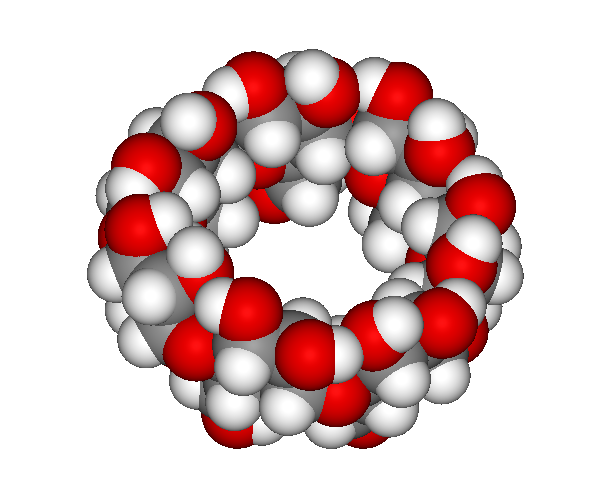
Gist”: Use of cyclic oligosaccharides to reduce smell in PU flex foam

Beta-cylodextrin (Wikipedia)

Why it is interesting: Because they are often used in confined spaces like living rooms, bedrooms and cars, smells and and ‘volatile organic compounds’ (VOC)  in general have always been a problem with flexible PU foams. During the last decade, awareness of the health risks of VOC has grown among comsumers and producers alike  and emmision specifications have been adapted.  Advances have been made in reducing VOC  using reactive amine catalysts for example, but other volatiles, like certain aldehydes, can still pose  problems.  The VOC-reducing additives used in this case are cyclodextrines: a class of cyclic oligosaccharides which have a cavity that can trap small molecules.  A certain type of modified cyclodextrin is used as the main component of the air refreshner  FEBREZE (TM) – which has been proven to work very well.

Hydrophilic foams by frothing.

Title:  PRODUCTION OF POLYURETHANE FOAMS

Number:  US2012232006

 Publication date:  13-9-2012

Applicant/Assignee: Bayer M.S.

Gist: Hydrophilic foam by frothing of PU dispersion.

Why it is innovative:  Bayer has many patents on hydrophilic PU foams for wound dressings, but this one is different because the foam is produced by frothing. For conventional hydrophilic foam ‘hydrophilized’ prepolymers are used which are then reacted with water, in this case a dispersion of an ionomeric PU (containing sulphonate groups) is used which is frothed and crosslinked.  Similar -I believe-to the famous PORON(TM) foams by Rogers corp.

  • Pages

  • Categories

  • Enter your email address to follow this blog and receive notifications of new posts by email.

    Join 259 other subscribers
  • Follow Innovation in PU on Twitter